
When homeowners need electrical work, they expect their electrician to be qualified and registered. When they need gas work, they know their engineer must be Gas Safe registered. Roofing is different. In the UK, there is currently no statutory licensing system requiring someone to prove their competence before trading as a roofer and precious few understand roofing industry regulations.
While many roofers undertake formal training, gain recognised qualifications and belong to respected trade organisations, there is no legal requirement for every roofer to do so.
That doesn’t mean the industry lacks skilled professionals—far from it. There are many excellent roofing contractors who take great pride in their workmanship and continually update their knowledge. However, the absence of statutory regulation means homeowners need to carry out more due diligence when choosing who to trust with their roof.
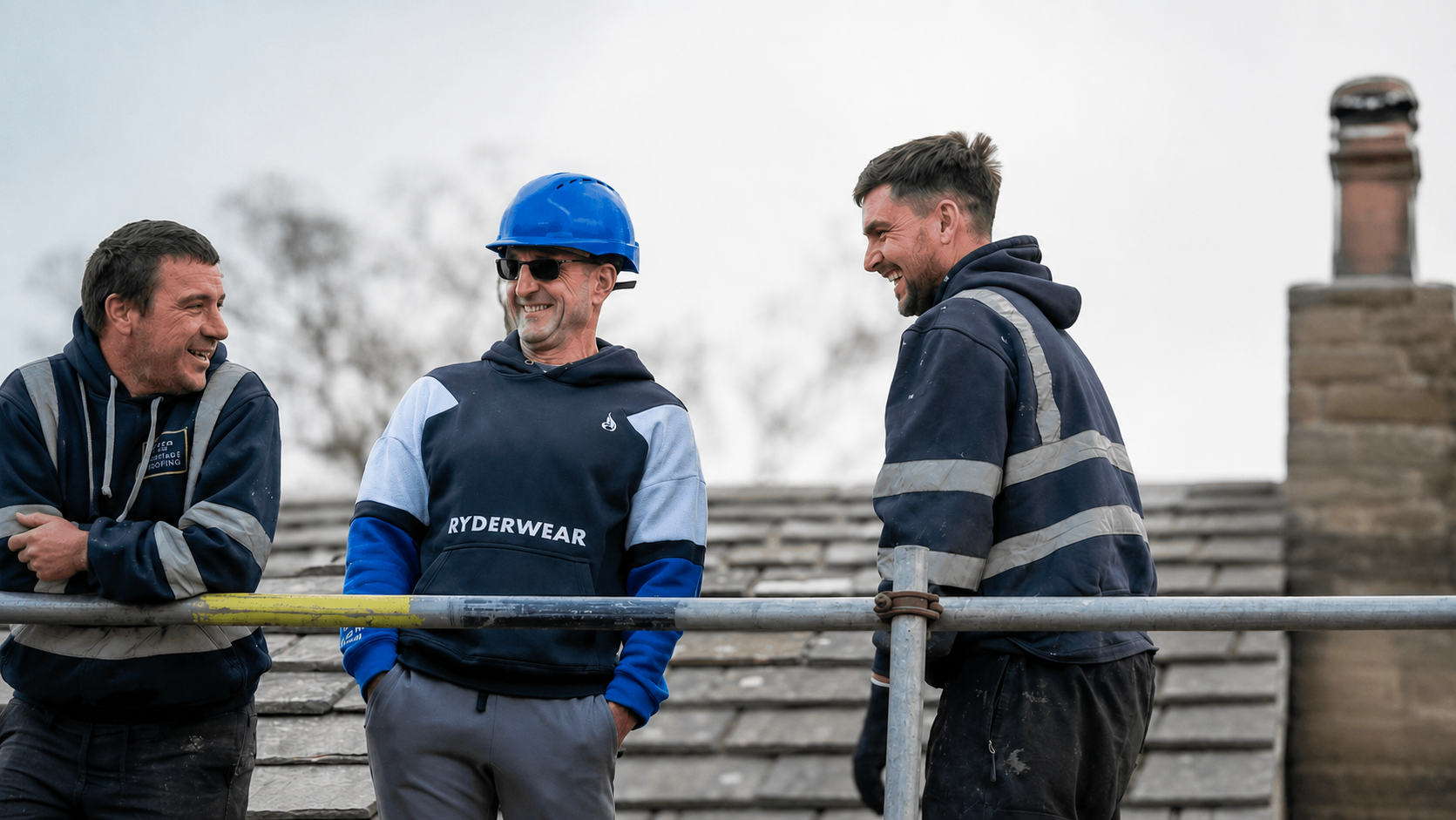
Over the years, we have come across contractors with many years of experience in the roofing industry, yet it is surprising how many have not kept pace with the changes that have taken place. Roofing is no longer simply about replacing tiles or slates; modern roofing requires an understanding of evolving standards, new technologies and increasingly complex building requirements.
Today, a competent roofing contractor needs to understand areas such as current Building Regulations, British Standards, modern roofing systems, ventilation and insulation requirements, solar roof integration and the specialist considerations involved in conservation and heritage properties.
The roofing industry has changed significantly over the past decade. New materials, improved installation methods and a greater focus on energy efficiency mean that experience alone is not always enough—ongoing learning and keeping up to date with best practice are essential for anyone working to deliver high-quality roofing solutions.
A roof is one of the most important investments you will make in your home, and poor design or incorrect installation can lead to problems that are costly and disruptive to put right. Issues such as persistent leaks, condensation, damp, timber decay and reduced energy efficiency can often be traced back to poor workmanship or a lack of understanding of modern roofing requirements. In some cases, a roof that has not been installed correctly may fail prematurely, leaving homeowners facing expensive remedial work that could have been avoided in the first place.
This is why the cheapest quote is not always the best value. A lower initial price can quickly become far more expensive if the work needs correcting, materials need replacing or another contractor has to be brought in to put things right.
When choosing a roofing contractor, price is naturally an important consideration, but it should not be the only factor. A reputable contractor should be able to demonstrate a good understanding of current Building Regulations and British Standards, invest in ongoing training and keep their knowledge up to date as roofing methods and materials continue to evolve.
Look for a company with experience in projects similar to yours, appropriate insurance cover, genuine customer feedback and a clear approach to explaining the work involved. Some homeowners also choose contractors who are registered with schemes such as TrustMark, which was established to help consumers find reputable tradespeople who meet recognised standards. A detailed written quotation and specification should provide confidence that you understand what is being proposed, what materials will be used and how the work will be carried out.
Most importantly, a professional roofing contractor should welcome your questions and be willing to explain why particular materials, systems or installation methods are recommended. Good roofing is not just about completing the work—it is about understanding the building, considering the long-term performance of the roof and giving homeowners confidence in the decisions being made.
One area that often causes confusion is Building Regulations. We regularly speak to homeowners who have received conflicting information from different roofing contractors when gathering quotes, leaving them unsure about what is required and who to trust. A knowledgeable contractor should be able to explain the relevant requirements clearly, helping homeowners make informed decisions before work begins.
Many homeowners are unaware that certain roofing projects require compliance with Building Regulations, and failing to meet these requirements can create difficulties when selling your home or making an insurance claim.
We’ve written a separate guide explaining when Building Regulations apply, what your responsibilities are, and how a competent roofing contractor can help ensure everything is completed correctly.
Read next: Roofing Building Regulations – What Every Homeowner Needs to Know.
Your roof is one of the most important parts of your home, protecting everything beneath it.
Because roofing isn’t subject to the same statutory regulation as trades such as gas engineering or electrical installation, it’s especially important to choose a contractor with the knowledge, experience and commitment to current standards and roofing industry regulations. Taking a little extra time to research your contractor can provide peace of mind and help ensure your roof performs as it should for many years to come.

If you're looking to re-roof your property and need a solar or heritage roofing specialist, we can usually offer you an idea of price without visiting your home
Get in touch



